Blog
The Power of Peppermint: 6 Digestive Benefits You Should Know

Introduction
If you’re seeking reliable peppermint digestive benefits, you’re in the right place. Digestive discomfort—from bloating and gas to sluggish digestion—is all too common today. Fortunately, peppermint offers a natural, time-tested approach to gut wellness. In the first 10% of this article, we’ll dive into how peppermint supports digestion, why it works, and how you can safely incorporate it into your routine.
⚠️ Disclaimer
This article is for educational purposes only and does not replace professional medical advice. Consult your healthcare provider before using peppermint, especially if you have GERD, are pregnant, or taking medications.
What Is Peppermint and Why It Matters for Digestion
Peppermint (Mentha × piperita) is a hybrid mint with a high content of menthol, making it a potent herb for the digestive system. The reason peppermint digestive benefits exist is because menthol relaxes smooth muscle in the gastrointestinal tract, helps reduce gas and supports motility. Research and traditional use both show its value in digestive health. For example, clinical studies in the journal Digestive Diseases and Sciences found peppermint oil improved IBS symptoms significantly.
Relieves Bloating & Gas
Peppermint for digestion has been widely recognized for its soothing properties that help calm the digestive tract. If you often feel your stomach swell after meals, peppermint tea or peppermint oil capsules may offer simple relief.
Peppermint contains natural compounds called menthol and menthone, which help the intestinal muscles relax. This process—known as antispasmodic action—allows trapped gas to move through the intestines more easily, reducing pressure, discomfort, and the visible tummy bulge many people experience after eating.
✅ How Peppermint Helps Reduce Bloating
-
Speeds up digestion so food doesn’t sit too long in the stomach
-
Prevents fermentation of food that leads to gas buildup
-
Improves bile flow, helping your body break down fats more efficiently
-
Reduces gut spasms, easing gas-related sharp pain
🌿 Real-Life Example
If you experience bloating regularly after having dairy, legumes, or heavy meals, drinking a warm cup of peppermint tea 20–30 minutes after eating can help prevent discomfort before it even begins.
✅ Best Ways to Use Peppermint for Bloating
| Method | Best Time to Use | Benefits |
|---|---|---|
| Peppermint tea | After meals | Gentle and soothing |
| Peppermint oil capsules | Before meals | Stronger, fast relief |
| Fresh peppermint leaves in warm water | Anytime | Natural, hydrating |
⚠️ Who Should Be Cautious?
While peppermint for digestion is generally safe, people with:
-
Severe GERD
-
Hiatal hernia
-
Chronic acid reflux
…may notice peppermint relaxes the lower esophageal sphincter, allowing stomach acid to move upward.
✅ Tip: Choose enteric-coated peppermint capsules to avoid reflux symptoms.
How Peppermint Supports Gut Health
Antispasmodic Action
One of the key benefits of peppermint is its ability to reduce spasms in the gut. When stomach or intestinal muscles are tense, this can cause pain or discomfort. The menthol in peppermint acts on certain calcium channels in smooth muscle—promoting relaxation. This underpins many of the “peppermint digestive benefits” noted below.
Gas and Bloating Relief
Problems like trapped gas or bloating are common when digestion slows. Peppermint’s carminative effect helps move gas along, reducing pressure. Many herbalists recommend peppermint tea after heavy meals to ease post-meal fullness.
Improves Digestive Motility
Proper digestion requires movement: the passage of food through the stomach and intestines. Slow motility can lead to indigestion, constipation or discomfort. Peppermint supports more efficient movement, helping you digest and eliminate more comfortably.
Soothes Nausea and Discomfort
If you’ve ever felt nausea from a long flight or a stressful day, peppermint can provide relief. The aroma of peppermint and its smooth-muscle action both play roles in alleviating nausea and mild digestive distress.
Supports Gut Micro-Environment
Emerging studies suggest that mint compounds might modestly influence the gut micro-environment—helping maintain a healthier balance of microbes and supporting breath freshness, which ties back into gut health.
Eases Indigestion & Heartburn
Indigestion can feel like burning, fullness, or heaviness after meals. Peppermint for digestion supports smoother stomach activity, which means your system handles food better with less effort.
The menthol in peppermint has been shown to stimulate bile flow, which is essential for digesting fatty foods like cheese, fried meals, and desserts. When bile moves effectively, your stomach empties faster, reducing the risk of heartburn caused by delayed digestion.
✅ Symptoms Peppermint Can Help Ease
✔ Burning in the stomach
✔ Feeling overly full after small meals
✔ Stomach tightness or discomfort
✔ Nausea linked to poor digestion
🌱 Traditional Uses
Cultures worldwide have used peppermint as a herbal remedy:
-
Middle Eastern cultures drink mint tea after meals to prevent heaviness
-
In Chinese medicine, peppermint supports energy flow (Qi) in the digestive tract
-
European herbalists recommend peppermint for functional dyspepsia
This centuries-long use builds confidence that peppermint remains a reliable natural remedy today.
✅ How to Use It for Indigestion
-
Drink 1–2 cups daily after meals
-
Choose caffeine-free peppermint tea for relaxation
-
For chronic symptoms, a doctor-approved peppermint capsule routine may help
📌 Scientific Insight
Studies show peppermint oil helps reduce indigestion symptoms by improving muscle function in the stomach and intestines — without the drowsiness common in pharmaceutical antispasmodics.
“Struggling with persistent indigestion? See our guide on 5 Signs You Need a Detox.”
6 Key Peppermint Digestive Benefits You Should Know
Here are six specific ways peppermint supports your digestion:
1. Reduces Bloating
Bloating occurs when gas or fluid build up in your abdomen. Peppermint supports the release of trapped gas and smooths the intestinal walls, making bloating less likely. Many people report feeling lighter after using peppermint tea or fresh leaves.
2. Eases Indigestion and Heartburn (Cautiously)
Indigestion often involves slow gastric emptying or acid staying too long in the stomach. Peppermint can help move food along—but if you have acid reflux (GERD), use caution because peppermint may relax the lower esophageal sphincter and worsen reflux.
3. Helps Manage IBS Symptoms
Several trials have shown that enteric-coated peppermint oil capsules reduce abdominal pain and improve bowel irregularity in IBS sufferers. The muscle-relaxing effect is a major contributor to these peppermint digestive benefits.
4. Alleviates Nausea and Vomiting
Whether it’s motion-related nausea, post-meal queasiness, or travel upset, peppermint can assist. Try a cup of peppermint tea or inhaling peppermint essential oil (safely) when nausea strikes.
5. Supports Gut Motility and Prevents Sluggish Digestion
If you often feel lethargic after meals, or find your digestion slow, peppermint can encourage better motility. By helping your digestive system stay active, you reduce the chances of food stagnation, gas build-up, and sluggish feeling.
6. Promotes Fresher Breath & Mouth-to-Gut Hygiene
Bad breath may start with digestive issues. Peppermint’s aroma and antimicrobial properties help neutralize odor-causing bacteria in the mouth and gut. Integrating peppermint into your diet supports both digestion and fresh breath.

How to Use Peppermint for Digestion

Peppermint Tea
Brewing a simple peppermint tea is one of the easiest ways to access the benefits. Use 1 tsp of fresh or dried peppermint leaves in hot water, steep for 5–10 minutes. Drink 30 minutes after meals for optimal effect.
Fresh Peppermint Leaves
Add fresh peppermint leaves to salads, smoothies or infused water. The fresh herb provides flavour + digestion support. This is one of the gentler ways to benefit from peppermint digestive benefits in everyday meals.
 Enteric-Coated Peppermint Oil Capsules
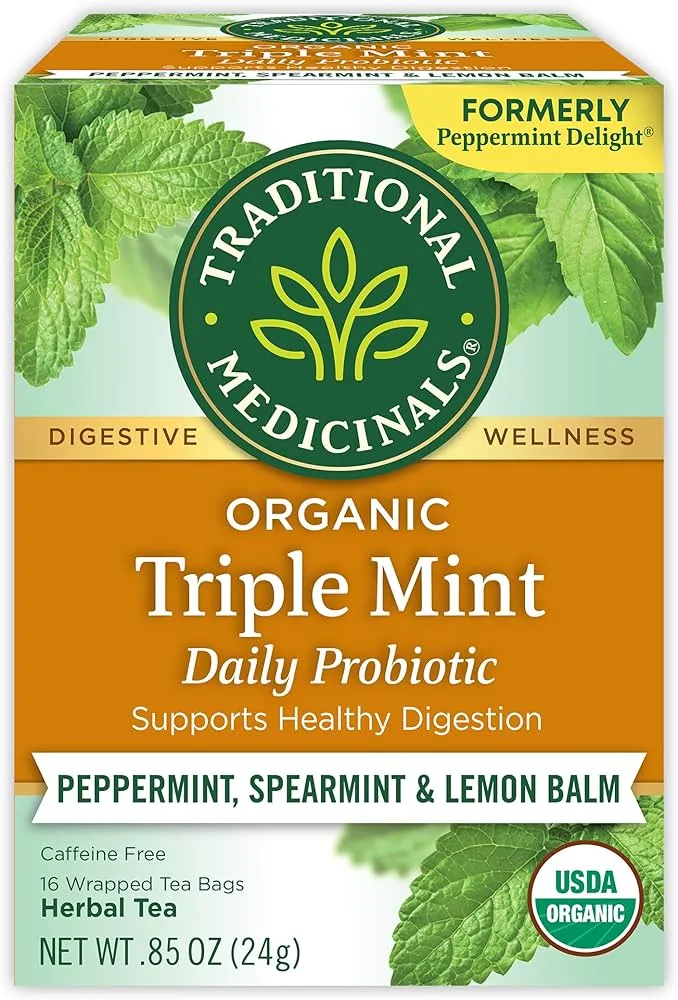
For more serious digestive issues (like IBS), doctor-recommended enteric-coated capsules deliver peppermint oil to the intestines rather than the stomach, reducing side effects like heartburn. Always follow physician directions and check for quality brands.
Aromatherapy & Peppermint Oil
Inhaling peppermint oil from a diffuser or a drop on a tissue can help nausea and stomach discomfort. Note: This is not ingestion and should be used carefully.
Practical Routine & Timing
-
After large or rich meals: peppermint tea helps reduce gas accumulation
-
At first sign of nausea: inhaling peppermint aroma
-
For IBS management: daily use of high-quality peppermint oil capsules under guidance
-
Pair peppermint with ginger or lemon for enhanced digestion support
Safety Tips & Who Should Avoid It
While peppermint offers many digestive-health advantages, certain individuals should use caution.
Avoid or Use Cautiously If You Have GERD
Since peppermint relaxes the lower esophageal sphincter, it may worsen acid reflux or heartburn symptoms. If you have GERD, consult your doctor first.
Children & Infants
Peppermint oil and strong peppermint teas are not recommended for infants or small children without professional advice.
Pregnancy, Breastfeeding & Medication Interactions
Always check with your healthcare provider if you’re pregnant or breastfeeding. Peppermint may interact with certain medications, especially those for acid reflux or blood pressure.
Skin Application & Undiluted Oils
Never apply undiluted peppermint oil directly to the skin or use large doses without supervision. Skin irritation or other reactions can occur.
Supports a Healthy Gut Microbiome
Gut health affects everything — from mood to immune function. Peppermint for digestion helps protect and balance gut microbiota due to its antibacterial and anti-inflammatory properties.
✅ Why Gut Balance Matters
When harmful bacteria overpower the good ones, symptoms appear:
-
Fatigue
-
Bloating
-
Irregular bowel movements
-
Poor nutrient absorption
Peppermint contains essential oils that:
✅ Reduce harmful gut bacteria
✅ Help preserve beneficial microbes
✅ Limit inflammation and irritation
✅ Support smooth and consistent digestion
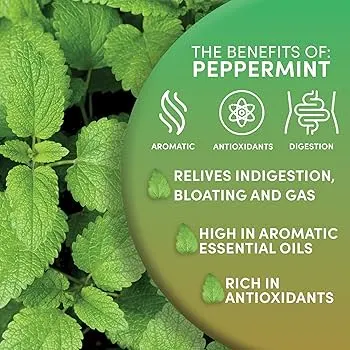
Peppermint helps maintain fresh breath and supports a cleaner mouth-to-gut environment.
🌱 Peppermint + Probiotics = Better Results
Pairing peppermint tea with probiotic-rich foods like:
-
Yogurt
-
Kefir
-
Kimchi
-
Kombucha
-
Sauerkraut
…can promote long-term gut wellness and reduce recurrence of digestive discomfort.
✅ Peppermint for IBS (Irritable Bowel Syndrome)
Modern clinical studies suggest peppermint oil:
-
Reduces abdominal pain
-
Calms spasmodic bowel movements
-
Improves stool regularity
Many gastroenterologists recommend enteric-coated peppermint oil for natural IBS relief.
🧠 Gut-Brain Connection
Peppermint may help mood and mental clarity too — because your gut and brain communicate via the vagus nerve. When digestion is calm, anxiety and stress reactions in the body also decrease.
Expert Insights & Research on Peppermint Digestive Benefits
Research supports peppermint’s use in digestive health. For example:
-
A study published in Digestive Diseases and Sciences found enteric-coated peppermint oil improved IBS pain and bloating significantly.
-
Herbal-medicine reviews note that peppermint’s menthol component acts on smooth-muscle calcium channels, reducing spasms.
-
Natural-remedy practitioners frequently recommend peppermint as a first-line herb for post-meal bloating.
By combining modern research with centuries of usage, peppermint earns its place as a trusted digestive aid.
Frequently Asked Questions (FAQs)
Q1: Can I drink peppermint tea every day?
Yes — in moderate amounts, like 1–2 cups daily, peppermint tea is generally safe for healthy adults. It provides many of the peppermint digestive benefits in a mild form.
Q2: Will peppermint cure my digestive disorder?
No — peppermint is supportive, not a cure. If you have chronic digestive disease, consult a healthcare professional. Combine peppermint with diet, exercise, and lifestyle changes.
Q3: Should someone with heartburn use peppermint?
Not without caution. If your heartburn or reflux is recurring, peppermint may worsen it by relaxing the esophageal sphincter. Talk to a doctor first.
Q4: How long until I see results?
Some people notice relief (e.g., less bloating) within days of using peppermint tea. For more serious conditions like IBS, consistent use over weeks may be required.
Q5: Can children use peppermint for digestion?
For children older than about 6 years, mild peppermint tea may be okay under supervision. Peppermint oil capsules are not recommended for children unless prescribed.
Internal Resources & External References
For more natural digestion tips, check out our article 10 Foods That Improve Gut Health Naturally.
For evidence-based guidance on IBS management, see the review at Mayo Clinic here: Mayo Clinic IBS Overview.
Conclusion
The versatile herb peppermint brings many scientifically recognized digestive benefits—especially for bloating, sluggish digestion, nausea, and IBS support. While it isn’t a miracle cure, it’s a gentle, natural ally your digestive system can rely on. By integrating peppermint tea, fresh leaves, or high-quality capsules into your routine, you invite better gut health and overall comfort.
If you’ve enjoyed this guide, share it with a friend whose digestion could use a boost—because better digestion means better living.