2. Common Symptoms and Causes of Hormone Imbalance
Symptoms:
-
Fatigue, mood swings, sleep problems
-
Unexplained weight gain or loss
-
Irregular periods (for women), libido changes
-
Digestive issues, skin changes, hair loss/thinning
The UCLA Health lists several such indicators.
Causes:
-
Poor diet (high sugar, low fibre)
-
Lack of sleep or disrupted circadian rhythm (light at night) Medical News Today
-
Chronic stress and elevated cortisol
-
Weight issues or excess body-fat affecting insulin and other hormones
-
Gut health & microbiome disruption
-
Exposure to endocrine disruptors (plastics, chemicals)
Understanding what throws your hormones off is key to implementing the right natural solutions.
3. The First Steps: How to Begin Supporting Natural Hormone Balance
At the start of any hormone-balance journey, focus on foundation habits that support endocrine health every day.
-
Track symptoms: note mood, sleep, digestion, periods, energy.
-
Start with one change: e.g., improve sleep or cut added sugar.
-
Be consistent: Hormonal systems respond over time, not overnight.
-
Seek balance, not perfection: Aim for sustainable habits.
Encouraging a comment: “What one habit will you tackle this week to support natural hormone balance? Comment below!”
4. Diet for Natural Hormone Balance
4.1 Protein & Healthy Fats
Eating enough protein each meal helps your body produce peptide hormones. Healthline
Healthy fats (avocado, nuts, olive oil, fatty fish) are building blocks for steroid hormones like estrogen and testosterone.
Tip: Aim for ~25-30g protein per meal and include a source of omega-3 fats.
4.2 Fibre, Gut Health & Sugar Control
Fibre supports hormone clearance (e.g., excess estrogen) and stable blood sugar.
Reducing added sugar helps insulin and other hormones stay in check.
Gut health links to hormone balance: a healthy microbiome supports endocrine function.
4.3 Key Foods and Herbs
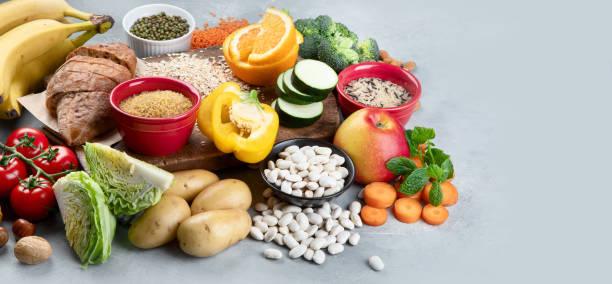
Here are some evidence-based foods and herbs for natural hormone balance:
-
Cruciferous vegetables (broccoli, kale) support estrogen metabolism.
-
Fermented foods (yoghurt, kefir) support gut microbiome and hormone health.
-
Herbs: Ashwagandha, Chasteberry, Black Cohosh may help hormone support (especially for women) though in limited research.
4.4 Meal structure for hormone support
-
Breakfast: protein + healthy fat + fibre (e.g., omelette with spinach & avocado)
-
Regular meals & snacks every 3-4 hours to avoid big sugar swings
-
Include fermented food or probiotic source daily
-
Minimise processed foods, high-sugar drinks, refined carbs
5. Lifestyle Habits to Support Hormone Harmony
5.1 Sleep & Circadian Rhythm
Sleep is when your body resets hormones like cortisol, melatonin, ghrelin and leptin.
Tips:
-
7-9 hours of quality sleep
-
Dark room, no screens 1 hour before bed
-
Regular sleep-wake schedule
5.2 Stress Management
Chronic stress raises cortisol, which disrupts many other hormones (insulin, sex hormones, thyroid).
Strategies:
-
Breathing or mindfulness 5-10 minutes/day
-
Nature walks, hobbies, tunes
-
Boundaries: make time for downtime
5.3 Exercise & Movement
Regular physical activity improves insulin sensitivity, supports hormone receptor health, and aids mood.
Recommendations:
-
Mix of strength training + moderate cardio (30 mins+)
-
Prioritise consistency over intensity
-
Avoid over-training (can itself disrupt hormones)
5.4 Minimising Exposure to Endocrine Disruptors
Chemicals like BPA (in plastics), certain fragrances, herbicides may interfere with hormones.
Tips:
-
Use glass or stainless steel for food storage
-
Choose fragrance-free cleaning/personal-care products
-
Eat organic produce when possible
6. Special Strategies: Women, Men and Life Stages
6.1 For Women
Women’s hormone systems (estrogen, progesterone, PMS, menopause) have specific demands. Herbs like chasteberry and black-cohosh may help.
Seed-cycling (changing certain seeds by phase) is an emerging wellness strategy (though limited research) for women.
6.2 For Men
Men need natural hormone balance (including testosterone) too. Healthy fats, avoiding excess sugar, maintaining healthy weight all support male hormones.
6.3 Life Stages
-
Adolescents: Hormones fluctuate with development
-
Middle-age: Metabolism slows, sleep may get disrupted, hormone production may shift
-
Post-menopause / andropause: Hormone levels decline naturally; lifestyle support becomes even more important
7. When to Seek Professional Help
While many lifestyle strategies work for supporting natural hormone balance, there are times when professional evaluation is needed:
-
Severe symptoms (e.g., very irregular periods, unexplained weight gain, fatigue, mood instability)
-
Known endocrine disorders (thyroid disease, PCOS, adrenal disorders)
The Cleveland Clinic notes that hormone replacement therapy or other medical treatments may be necessary in some cases.
Always consult your healthcare provider before starting high-dose herbs/supplements or if you have underlying conditions.
8. Summary & Next Steps
In summary:
-
Hormones directly affect your overall well-being.
-
You can support natural hormone balance with diet (protein, healthy fats, fibre), gut health, good sleep, stress reduction, exercise and minimising chemical exposure.
-
Start small, track your progress, adjust.
-
Invite your community: “What change will you make this week for better hormone balance? Comment below!”
Next Steps for You:
-
Pick one habit from the diet section and implement it this week (e.g., add two servings of cruciferous vegetables).
-
Choose one lifestyle change (go to bed 30 mins earlier or do a 5-minute breathing exercise each morning).
-
Track your symptoms for 7 days (sleep quality, mood, energy, digestion).
-
Share your results here in the comments and let others know what worked.
9. Call to Action
We’d love to hear from you: What one change will you commit to this week for better hormone health? Drop a comment below and let me know how you feel after doing it for 7 days.
Don’t forget to share this article with someone who might benefit from natural hormone balance too.
Thank you for reading this in-depth guide. For more articles like this (targeted for UK readers) and later for UAE readers, stay tuned and subscribe. 🙌