Blog
DIY Herbal Face Masks You Can Make at Home


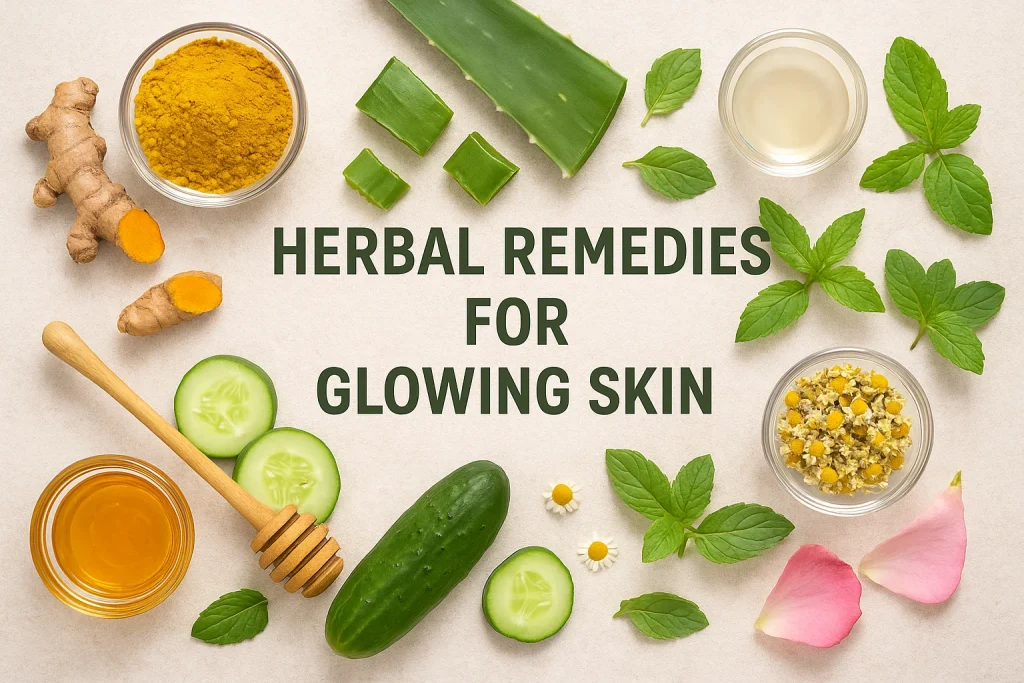
Natural beauty starts from your kitchen! In this article, we’ll explore how to create DIY herbal face masks with powerful, skin-loving ingredients like turmeric, aloe vera, neem, rose water, and green tea. These easy-to-make recipes can help brighten your complexion, soothe acne, and deeply nourish your skin — all without chemicals or expensive products.
Whether you’re dealing with dullness, dryness, or breakouts, these herbal remedies will help you reveal your healthiest glow. Let’s dive into how you can make your own herbal skincare magic at home.
Why Choose DIY Herbal Face Masks?
Herbal face masks offer natural, toxin-free skincare using ingredients packed with vitamins, antioxidants, and enzymes. Unlike commercial masks loaded with preservatives and artificial scents, DIY herbal face masks provide a safer, eco-friendly way to care for your skin.
Key Benefits:
-
Detoxify and purify skin naturally
-
Reduce acne and inflammation
-
Brighten dull complexion
-
Soothe irritation and redness
-
Provide deep hydration and nourishment
✨ Tip: Consistent use of herbal masks helps balance skin’s pH and promote natural radiance.
🌼 Best Ingredients for DIY Herbal Face Masks
Before making your herbal face mask, it’s important to understand which ingredients suit your skin type. Here’s a breakdown of the most effective herbs and natural bases you can use.
1. Turmeric – The Golden Healer
Turmeric is rich in curcumin, an antioxidant and anti-inflammatory compound that helps fade acne scars and brighten skin.
How to use:
Mix 1 teaspoon of turmeric powder with 2 tablespoons of yogurt and a few drops of honey. Apply for 15 minutes and rinse with lukewarm water.
🟢 Perfect for: Acne-prone and dull skin
👉 Related Read: Aloe Vera Benefits for Skin
2. Aloe Vera – The Skin Soother
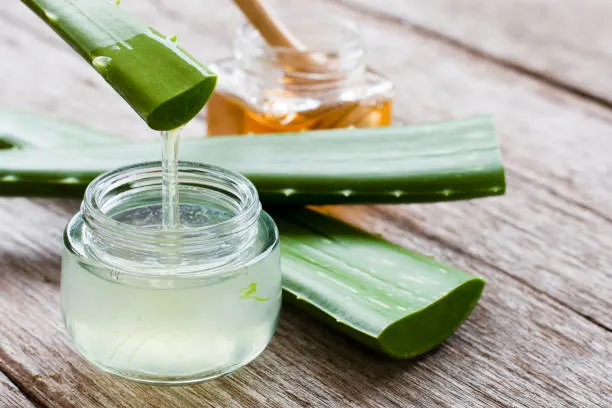
Aloe vera is nature’s cooling gel. It helps calm sunburns, reduce redness, and hydrate dry skin.
How to use:
Combine 2 tablespoons of aloe vera gel with 1 teaspoon of rose water and ½ teaspoon of lemon juice. Leave on for 20 minutes and rinse.
🟢 Perfect for: Sensitive and dry skin
3. Neem – The Acne Fighter
Neem leaves contain antibacterial properties that help clear acne, control excess oil, and purify the skin.
How to use:
Grind neem leaves into a paste. Add a pinch of turmeric and a tablespoon of multani mitti (Fuller’s earth). Apply for 15 minutes, then rinse.
🟢 Perfect for: Oily and acne-prone skin
4. Rose Water – The Skin Refresher
Rose water tones, hydrates, and soothes tired skin. It’s also an excellent natural toner.
How to use:
Mix rose water with sandalwood powder to form a smooth paste. Apply for 10–15 minutes and rinse off.
🟢 Perfect for: All skin types
5. Green Tea – The Antioxidant Shield
Green tea is packed with polyphenols that protect the skin from free radicals and aging signs.
How to use:
Mix 2 tablespoons of cooled green tea with 1 tablespoon of rice flour and 1 teaspoon of honey. Apply for 15 minutes and wash off.
🟢 Perfect for: Aging and tired skin
Step-by-Step: How to Make Your Own DIY Herbal Face Mask
Follow these simple steps to make your natural face mask at home:
Step 1: Choose Your Base
Use a natural base like yogurt, aloe vera gel, rose water, or honey. These help bind your ingredients and deliver hydration.
Step 2: Add Your Herb or Powder
Add turmeric, neem, or green tea powder based on your skin concern.
Step 3: Mix into a Smooth Paste
Blend the ingredients until creamy and smooth. You can use a spoon or blender for consistency.
Step 4: Apply Evenly
Apply a thin layer over clean skin, avoiding the eyes and lips.
Step 5: Relax and Let It Work
Leave on for 15–20 minutes. Relax, meditate, or sip green tea while your skin absorbs the herbal goodness.
Step 6: Rinse and Moisturize
Rinse with lukewarm water and pat dry. Follow up with a light herbal moisturizer or aloe vera gel.
DIY Herbal Face Masks for Different Skin Concerns
For Glowing Skin
Ingredients:
-
1 tsp turmeric powder
-
2 tbsp yogurt
-
1 tsp honey
Benefits:
Brightens dull skin, evens tone, and adds radiance.
For Acne & Pimples
Ingredients:
-
Neem paste
-
A pinch of turmeric
-
Rose water
Benefits:
Fights acne-causing bacteria and controls oil.
For Dry Skin
Ingredients:
-
Aloe vera gel
-
Rose water
-
A few drops of almond oil
Benefits:
Hydrates deeply and soothes irritation.
For Oily Skin
Ingredients:
-
Multani mitti
-
Green tea extract
-
Lemon juice
Benefits:
Absorbs excess oil and refreshes skin.
For Anti-Aging
Ingredients:
-
Green tea powder
-
Honey
-
Rice flour
Benefits:
Reduces fine lines, tightens pores, and firms skin.
Pro Tips for Using Herbal Face Masks
-
Always cleanse your face before applying.
-
Do a patch test to avoid allergic reactions.
-
Use 2–3 times weekly for best results.
-
Store leftover mask in the fridge for up to 3 days.
-
Avoid over-exfoliation — herbal masks are gentle but potent.
Herbal Skincare Enthusiasts
National Center for Biotechnology Information: Herbal Skin Care Review
📈 How DIY Herbal Face Masks Improve Skin Health
Herbal ingredients are rich in antioxidants, minerals, and enzymes that protect against free radicals and improve cell turnover. Regular masking helps:
-
Detox pores
-
Regulate sebum
-
Stimulate collagen
-
Boost hydration
-
Prevent premature aging
💬 Did you know? Applying a turmeric-based mask twice a week can improve skin tone within a month!
Herbal Face Mask Routine for Maximum Glow
To maintain consistent results, follow this weekly skincare schedule:
| Day | Mask Type | Key Benefit |
|---|---|---|
| Monday | Turmeric + Yogurt | Brightening |
| Wednesday | Aloe Vera + Rose Water | Hydration |
| Friday | Neem + Multani Mitti | Acne Control |
| Sunday | Green Tea + Honey | Anti-Aging |
🕯️ Consistency is the secret to glowing skin — not expensive products!
Join the Conversation!
💡 What’s your favorite herbal face mask combo?
Have you tried turmeric with honey or aloe vera with rose water?
👉 Share your experience in the comments below — we’d love to feature your recipe in our next post!
Conclusion: Embrace Nature’s Skincare Power
Creating DIY herbal face masks at home is one of the most rewarding self-care habits you can develop. These simple, affordable remedies not only nourish your skin but also help you reconnect with nature’s healing touch.
Skip the harsh chemicals — open your kitchen cabinet, mix your favorite herbs, and let your skin glow with natural radiance.
✨ Your beauty is your ritual — and herbs are your best allies.

Key Takeaways
-
Herbal masks use natural ingredients like turmeric, aloe vera, and green tea.
-
They’re easy to make and cost-effective.
-
Consistent use leads to clear, bright, and hydrated skin.
-
Natural remedies can be equally (if not more) effective than store-bought products.
Ready to glow naturally? Try your first DIY herbal face mask tonight and share your results in the comments!